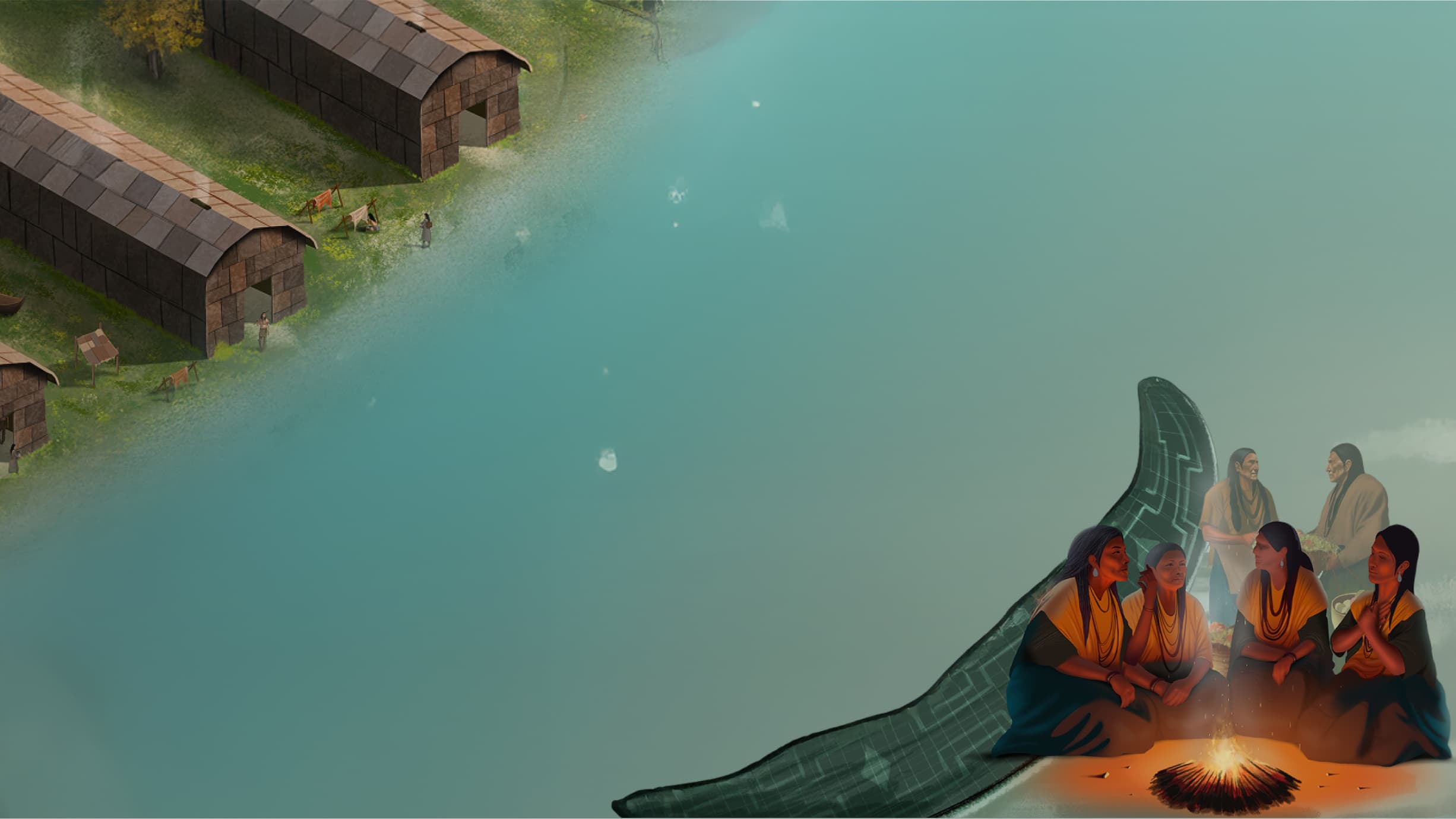

Even after their contributions to the founding of the United States, the Oneida people’s friendship and sovereignty were quickly forgotten by the U.S. government. Mary Cornelius Winder fought for change and forever altered the future path of the Oneida people.
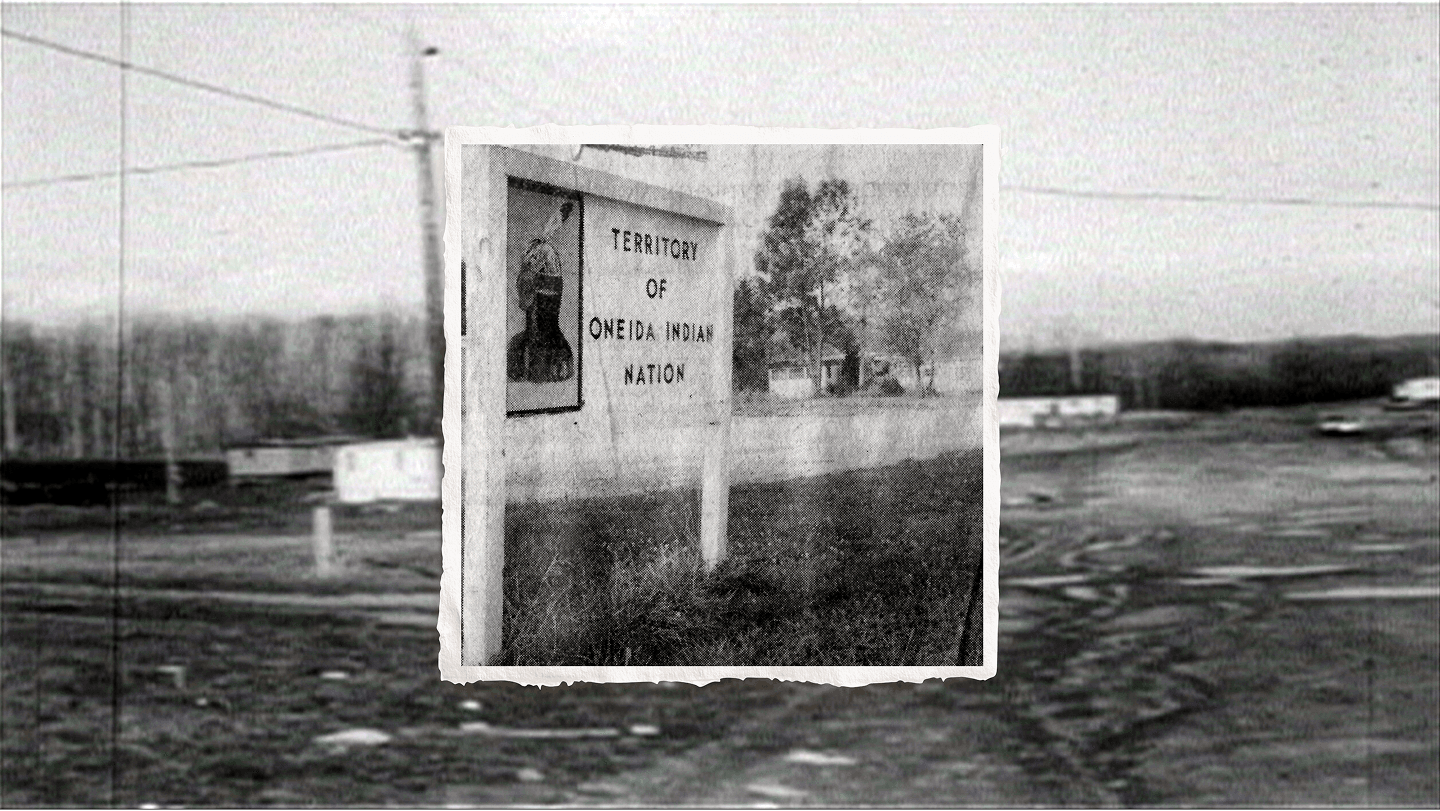
Loss of Land
Between 1795 and 1846, some two dozen treaties imposed by New York State on the Oneidas deprived the Nation of all but a few hundred acres of its ancestral homeland.
Dispossessed of most of their land and under pressure to dissolve their traditional communities, many individual Oneidas “sold” Nation land and moved to Wisconsin to form a separate government. Other Oneidas move to land they bought near London, Ontario, Canada, and formed their own government there.

Mary Winder, A Full Life with Land Claim at its Center
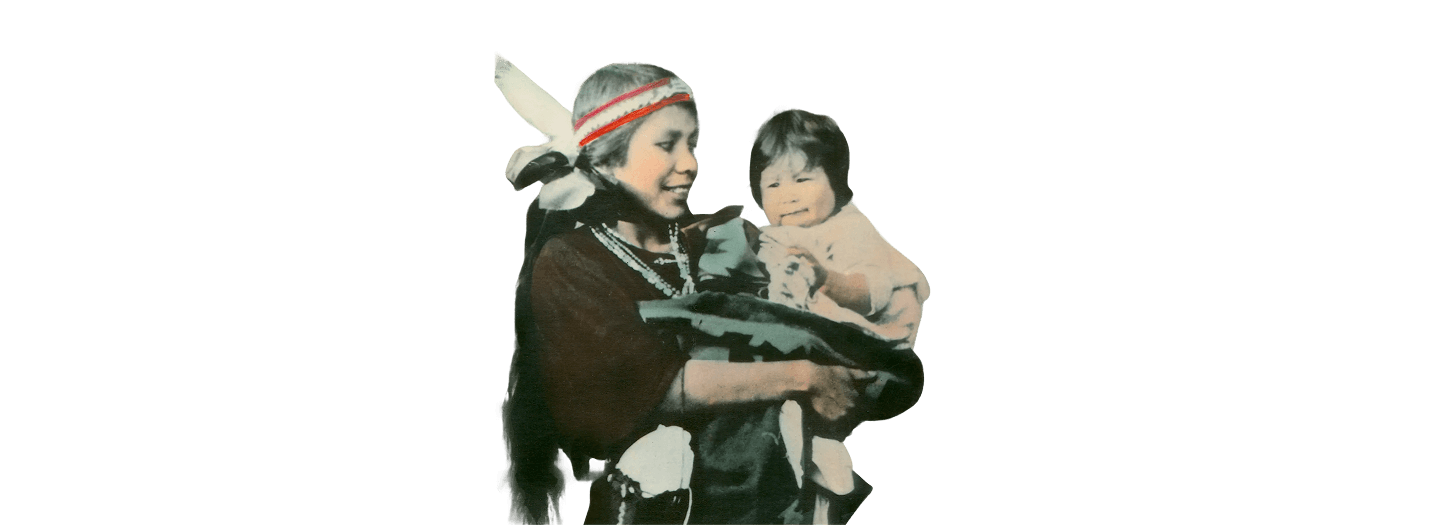
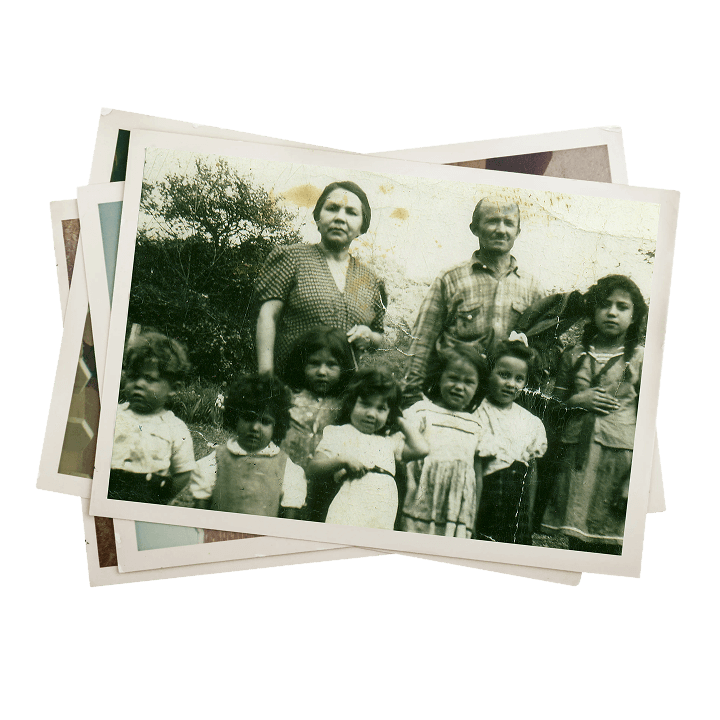
At the age of 22, Mary Cornelius Winder (Wolf Clan) began her lifetime crusade: a letter-writing campaign petitioning the government to make amends and give the Oneidas back their land. Through written testimony, Mary fought for the recovery of thousands of acres guaranteed to the Oneidas in the 1794 Treaty of Canandaigua.
For 30 years, until the time of her death in 1954, Mary, who spoke only Oneida until she attended school, sent letter after letter. She wrote to the federal government asking to redress the egregious wrongs perpetrated against the Oneidas.
Court Battles, Tragedy and a Catalyst for Change
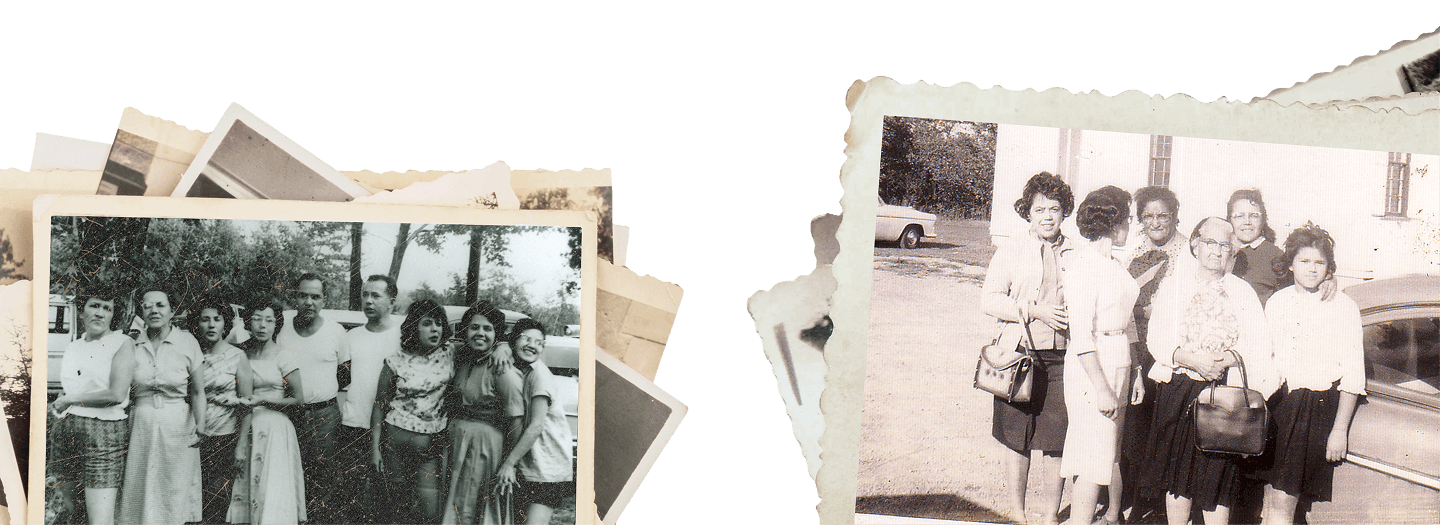
In 1919, the federal government filed suit in U.S. District Court (U.S. v. Boylan) to recover the last 32 acres of the approximately 300,000 acres that had been reserved to the Oneidas in the Treaty of Canandaigua. The court ruled in favor of the Oneidas. A year later, the U.S. Court of Appeals for the Second Circuit affirmed the District Court’s ruling.
Mary passed away three years after the Oneida land claim was officially filed, but the work she started continued – and still does today. The Nation eventually won the land claim initiated by Mary, who inherited this mission from her father, Wilson Cornelius, then passed it along to her daughter, Gloria, and grandson, Ray Halbritter.
While the Oneidas continued the struggle to regain their sovereign rights and land, a small community began to emerge on the original 32 acres of Oneida homelands that remained in Oneida possession. In 1976, Oneida Members Samuel and Janice Winder perished in a trailer fire on Territory Road after the local fire department refused to respond to calls for assistance. This event became the catalyst for the Oneida Indian Nation to become self-sufficient and rebuild its community.
Boarding Schools and the American Indian Identity
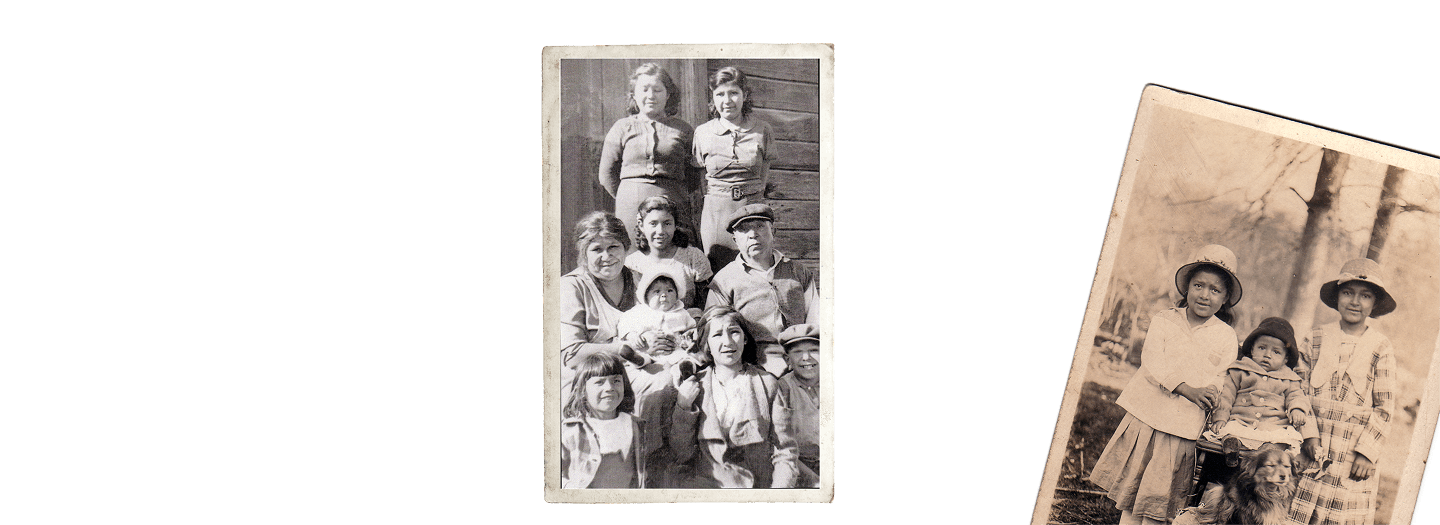
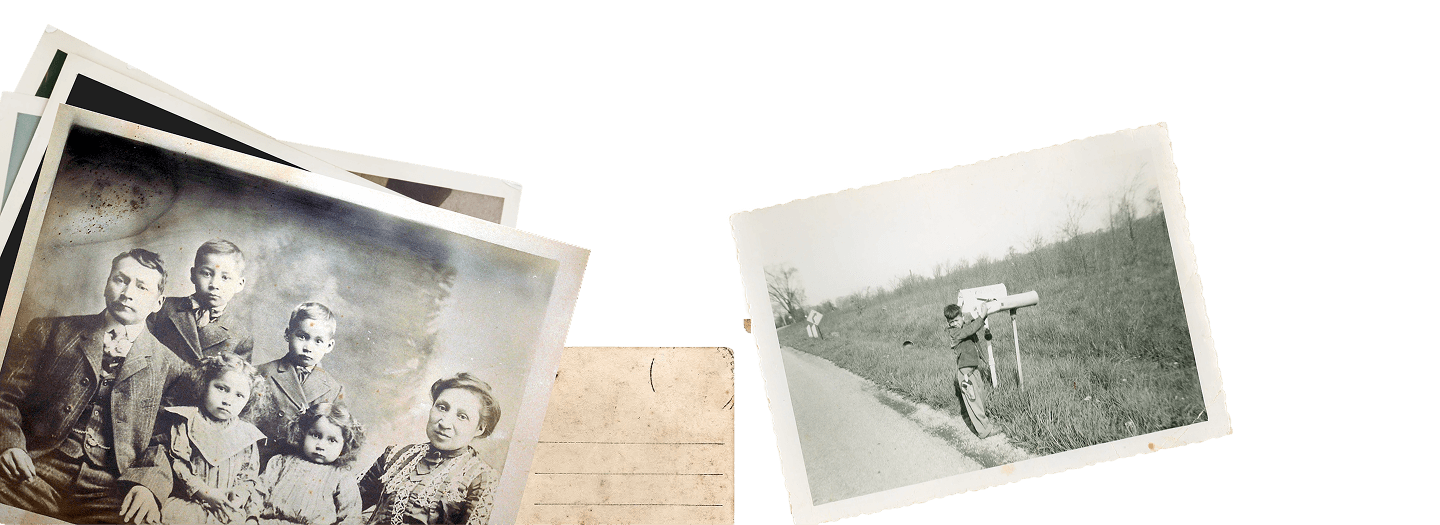
Between 1869 and the late 1970s, hundreds of thousands of American Indian children attended boarding schools far from their families and tribal communities. These schools sought to achieve assimilation through denial of Native culture and language. Methods were cruel and abuse was widespread, with many children losing their lives.
These schools left an indelible imprint on the Oneida Indian Nation and all Native people, and they are not a distant memory for us. Survivors live among our communities and the trauma they endured echoes through families.
21 Oneida Indian Nation Members attended the Carlisle Indian Industrial School between 1882 and 1918
94 Nation Members attended the Thomas Indian School between 1856 and 1957.
William Honyoust Rockwell
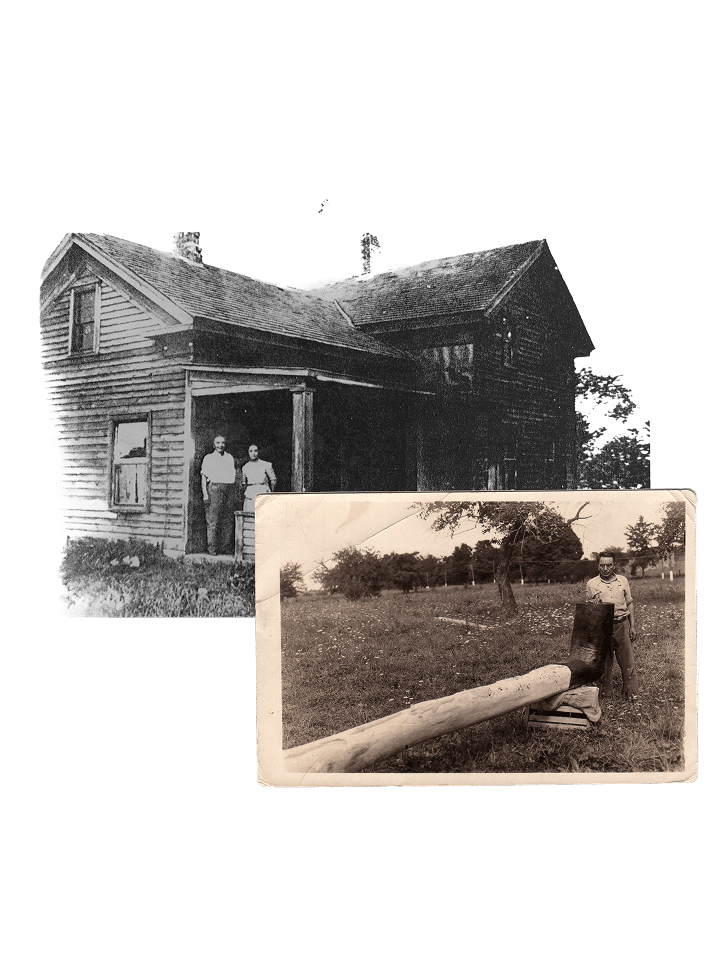
William “Bill” Honyoust Rockwell (Bear Clan, 1870-1960) spent many years fighting to hold on to the meager acreage remaining of the Oneidas’ ancestral lands: the 32 acres on which he was born. After more than a decade of turmoil and litigation, his tenaciousness eventually paid off in court in 1919 and the 32 acres remained in Oneida hands. Bill Rockwell was adamant that the agreement made under the Treaty of Canandaigua in 1794 was adhered to by the United States.