The Revolutionary War
Even before the American colonists planned to revolt against British rule, Oneidas consistently engaged with the newcomers’ system of governance. Many, like Conoquhieson, one of the title names for the hereditary Oneida sachems at the founding of the Haudenosaunee Confederacy, made crucial decisions that would impact the years ahead.
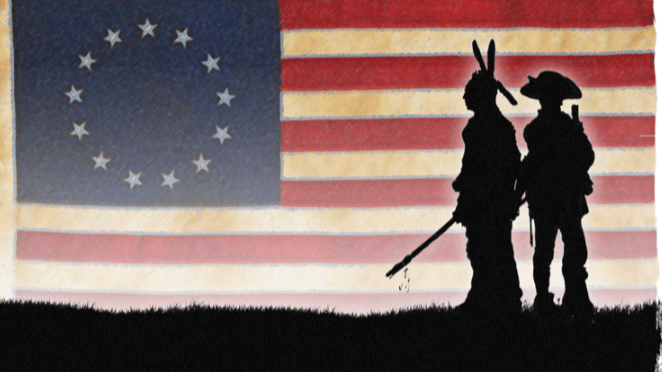
When war became inevitable, the Oneidas had to choose a side. Led by Chief Shenendoah, they chose to side with the colonists in their fight for freedom and independence –
Breaking from their Haudenosaunee brothers in sisters from the other Nations. Among the most notable veterans of the Revolutionary War, the Oneidas listed below have unique stories and oral histories that have been handed down for generations.
Shenendoah: Treaty, sovereignty, and annuity cloth
Chief Shenendoah was a highly significant Oneida historical figure, instrumental in the Nation's decision to side with the colonists during the Revolutionary War and a hero of the War for Independence. He signed the 1794 Treaty of Canandaigua, which recognized Oneida sovereignty, land rights, and tax freedoms. The terms of the Canandaigua Treaty—the oldest valid treaty in the United States—are still honored today through the annual disbursement of annuity cloth (or treaty cloth) to the Oneida Indian Nation and the Haudenosaunee Confederacy, symbolizing that the treaty remains a living, valid document.
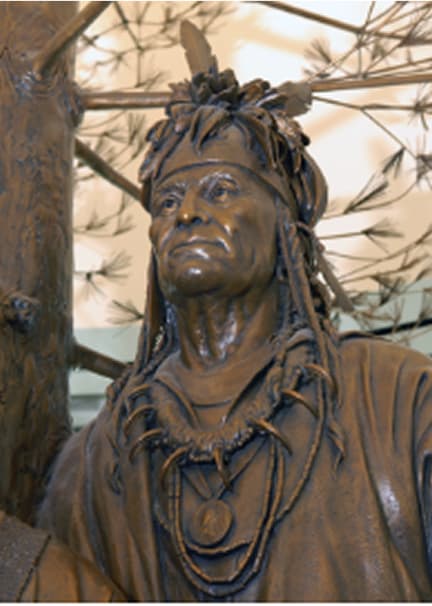
CHIEF SHENEDOAH - AGELESS LEADER
Chief Shenendoah was instrumental in the Oneidas’ choice to side with the colonists during the Revolutionary War and ranks high among the Nation’s most significant historical figures. Shenendoah was a hero of the War for Independence, wampum keeper of the Nation and the inaugurator of government-to-government agreements.
PENNSYLVANIA JOURNAL & WEEKLY ADVERTISER OF SEPT 3, 1777
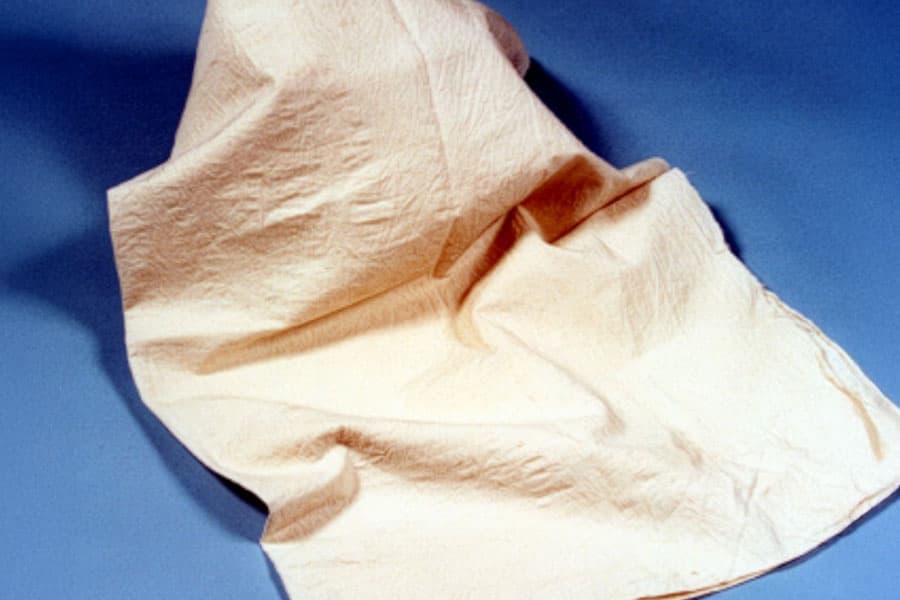
Annuity (treaty) cloth continues to be sent to the Oneida Indian Nation as stipulated by the 1794 Treaty of Canandaigua, the oldest valid treaty in the United States. In accordance with its terms, the United States deliver bolts of cloth – known as treaty cloth or annuity cloth — to the Oneida Indian Nation and its fellow members of the Haudenosaunee Confederacy.
Although the size of the disbursement has diminished since the 18th century, the symbolism of the cloth remains steadfast – the treaty is a living document, 18 years younger than the U.S. Constitution, but equally as valid and ageless.
Oneida aid to the continental army
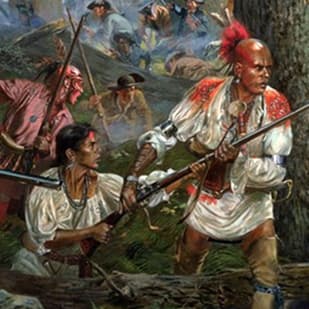
Polly Cooper, an Oneida woman, walked over 400 miles to Valley Forge in 1777-78 with other Oneidas, delivering 600 barrels of white corn to feed General Washington's starving troops and teaching them how to safely prepare the difficult grain. Concurrently, Oneida Chief Hanyery Tewahangarahken, his wife Tyonajanegen, and their son fought bravely at the Battle of Oriskany, where Tyonajanegen helped her injured husband continue fighting by loading his musket.
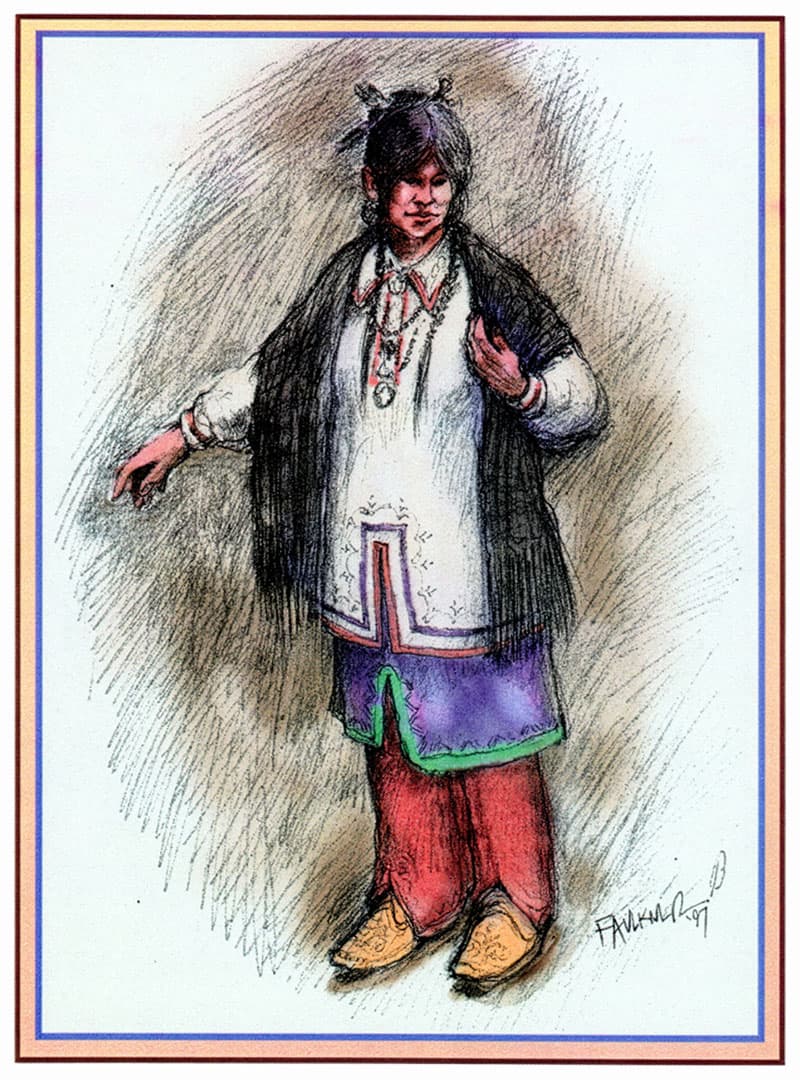
POLLY COOPER - ONEIDA HEROINE
She, along with several Oneidas, carried 600 barrels of corn to feed the troops. The corn they brought was white corn, which is quite different from the yellow version that is easier to prepare. By contrast, the white corn requires extended preparation before it can be eaten. The soldiers, however, were desperate for food when Polly Cooper and her fellow Oneidas arrived, and they tried to eat the corn uncooked. The Oneidas stopped the soldiers, knowing that if they ate the raw corn it would swell in their stomachs and kill them.
Polly Cooper taught the soldiers how to cook the white corn, taking them through the preparation process and the lengthy cooking time. She stayed on to continue helping the troops even after the other Oneidas departed for their homelands. After the war, the Colonial Army tried to pay Polly Cooper for her valiant service, but she refused any recompense, stating that it was her duty to help her friends in their time of need. However, she did accept a token of appreciation offered by Martha Washington — a shawl and bonnet. The shawl has been handed down by successive descendants of Polly Cooper.
THE ORISKANY FIGHTERS
Hanyery Tewahangarahken ("He Who Takes Up the Snow Shoe"), born in 1724, became the chief warrior of the Wolf Clan, known for his courage in combat. He and his wife, Tyonajanegen ("Two Kettles Together"), along with their son Cornelius, bravely fought at the Battle of Oriskany in August 1777. Notably, when Hanyery was wounded in the wrist, Tyonajanegen loaded his musket for him so he could continue fighting.
You may also be interested in
Educator resources
A closer look at Haudenosaunee customs directly from Oneida Indian Nation Members.