The World Wars
Oneidas have a long and storied history of military service, but perhaps none more critical to the continuity of the Western world than those that enlisted during the World Wars. “The War to End All Wars,” as the first World War has been known colloquially, saw new technologies that made serving more than just courageous or patriotic. From the barbaric conditions on the warfront to the addition of biological weaponry, it was clear this was a new era in battle.
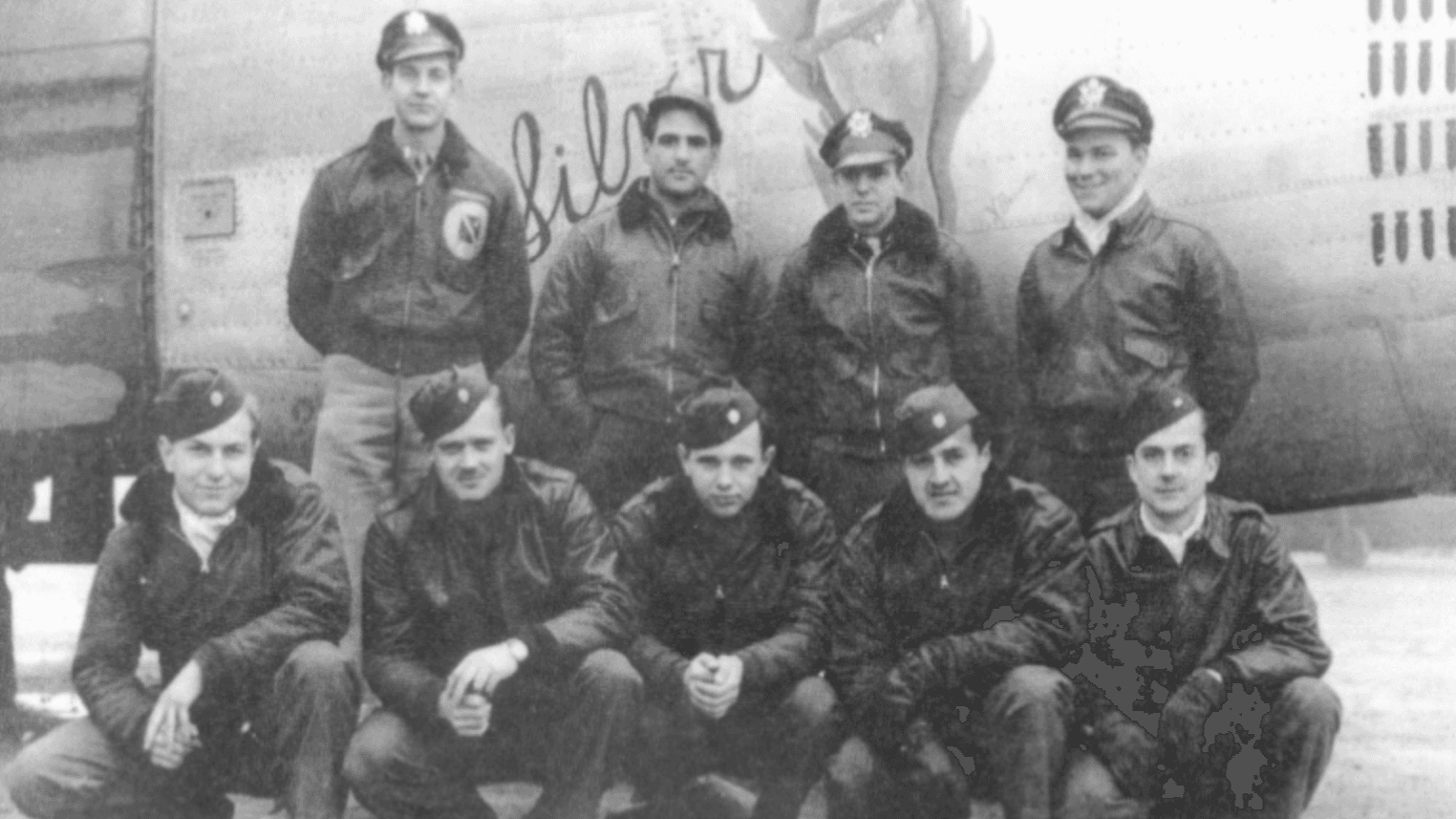
The Oneida Indian Nation and Haudenosaunee Nations declared war on a common enemy of the United States: Germany
As a sovereign nation, the Oneidas wanted to show their support and stand in unity with their American allies. Several members soon enlisted and saw battle in the European theatre.
First Lieutenant John Powless (Turtle Clan) was a full-blooded member of the Oneida Indian Nation. He served in World War I as a commissioned officer. After returning home from the war, he decided to re-enlist and served as machine-gun instructor at Fort Hancock in Georgia and later transferred to Fort Slocum in New York.
Other Oneidas followed in his footsteps, including a large contingent in World War II.
“In 1924, the Indian Citizenship Act was passed which made all non-citizen American Indians born within the United States full citizens. The service of American Indian soldiers in World War I served as a major contributing factor to the passage of this act. Tribal leaders argued that if their people were willing to die for U.S. causes then they should be permitted to become full citizens.”
New York State Archives
Honoring Oneida veterans
Who bravely served in WWI and WWII
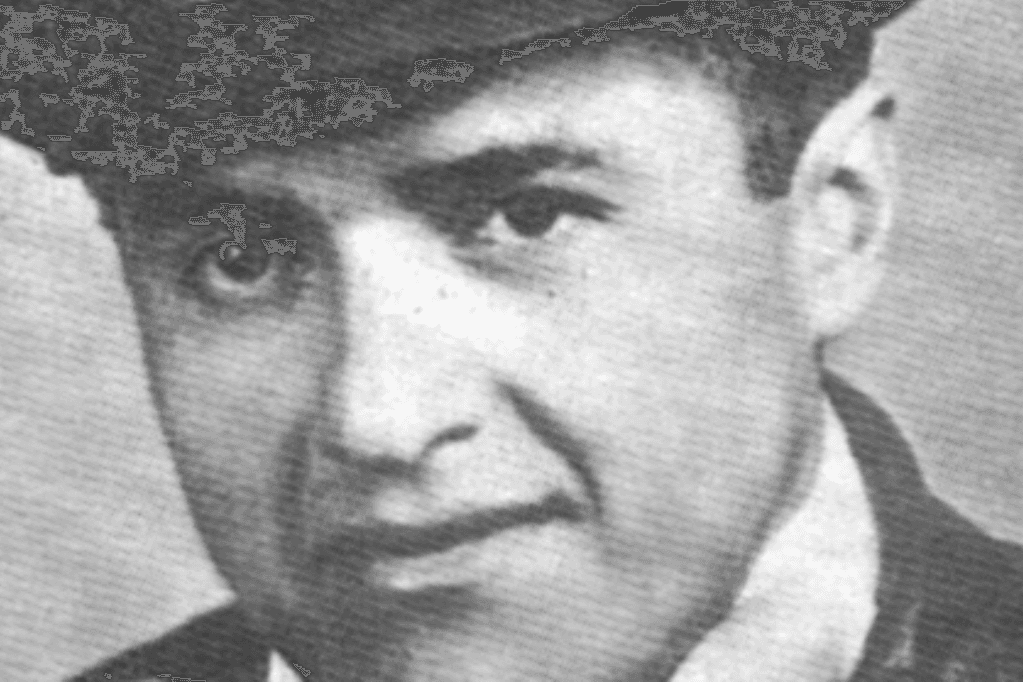
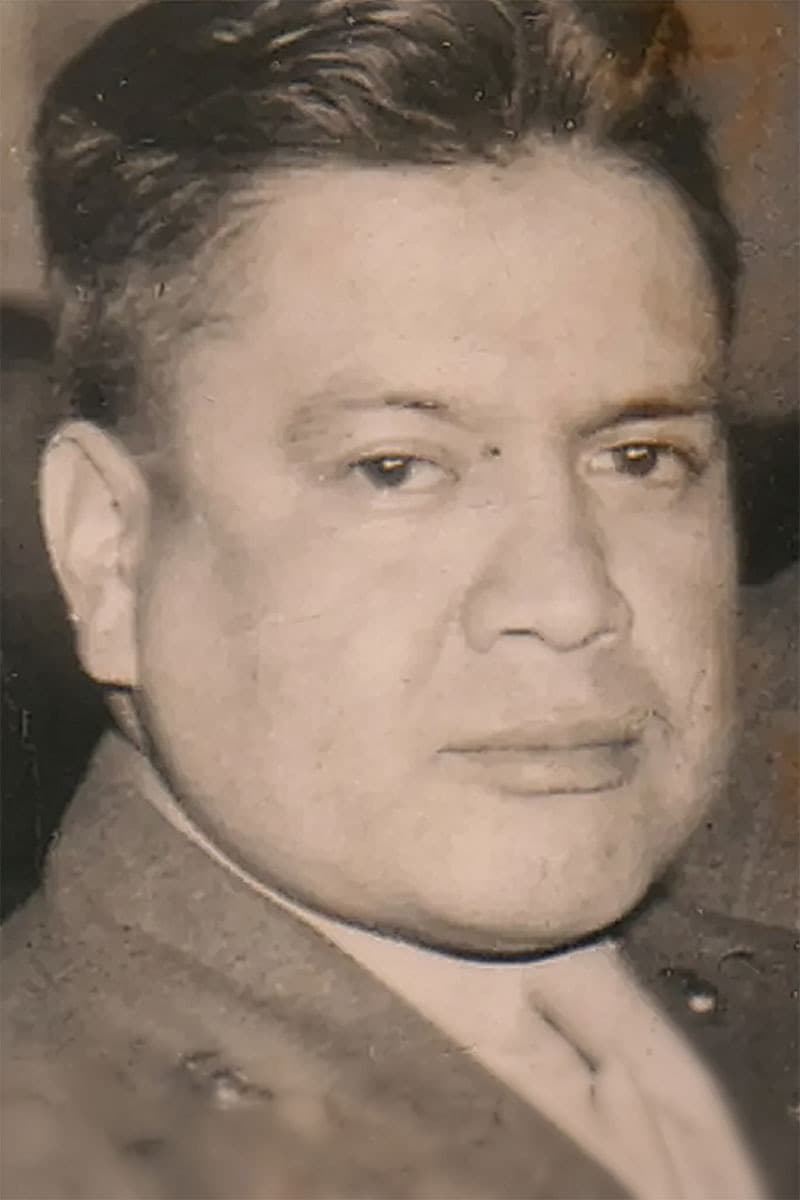
Raphael Gonyea (Wolf Clan)
The World War II Minority Veterans Wall of Honor in Syracuse, unveiled in 2005, memorializes Oneida veterans like Tech Sgt. Raphael Gonyea (Wolf Clan), whose son, John, attended the emotional ceremony.
Gonyea served in the Army Air Forces from 1942, flying 25 combat missions as a gunner and radio operator on a B-24 Liberator in the European theater, continuing a long tradition of Oneidas serving in the U.S. armed forces since the Revolutionary War. On his 25th mission, his plane was hit by flak, leading to a forced parachute landing in Yugoslavia among welcoming partisans, but the flak struck his leg, resulting in a Purple Heart.
After a brief period of being listed as missing in action, Raphael surprised his wife by showing up at home, later becoming a labor union worker in Syracuse and fathering nine children, though he rarely discussed the war. Sadly, Raphael Gonyea died in a hit-and-run accident at age 72 in 1992, leaving behind a proud military legacy now honored on the wall.
Oliver Hill Sr. (Wolf Clan)
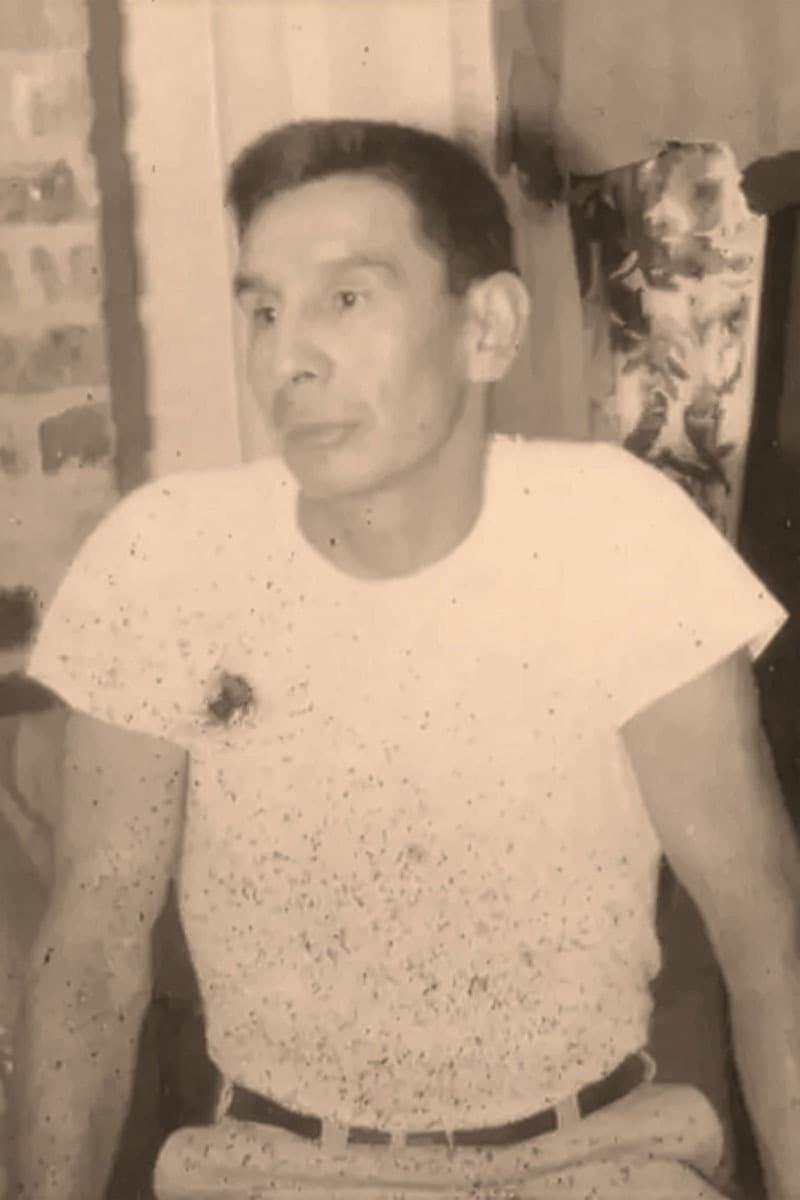
Oliver Hill Sr. (Wolf Clan) served as a private first class in the Army in the Philippines during WWII, where he was a member of an engineering platoon that built pontoon bridges.
Like many veterans, the war experience deeply affected and haunted him, making it a subject he rarely discussed. The only aspect of his service he mentioned to his family was boxing on the transport boat to pass the time.
Martin Johns (Turtle Clan)
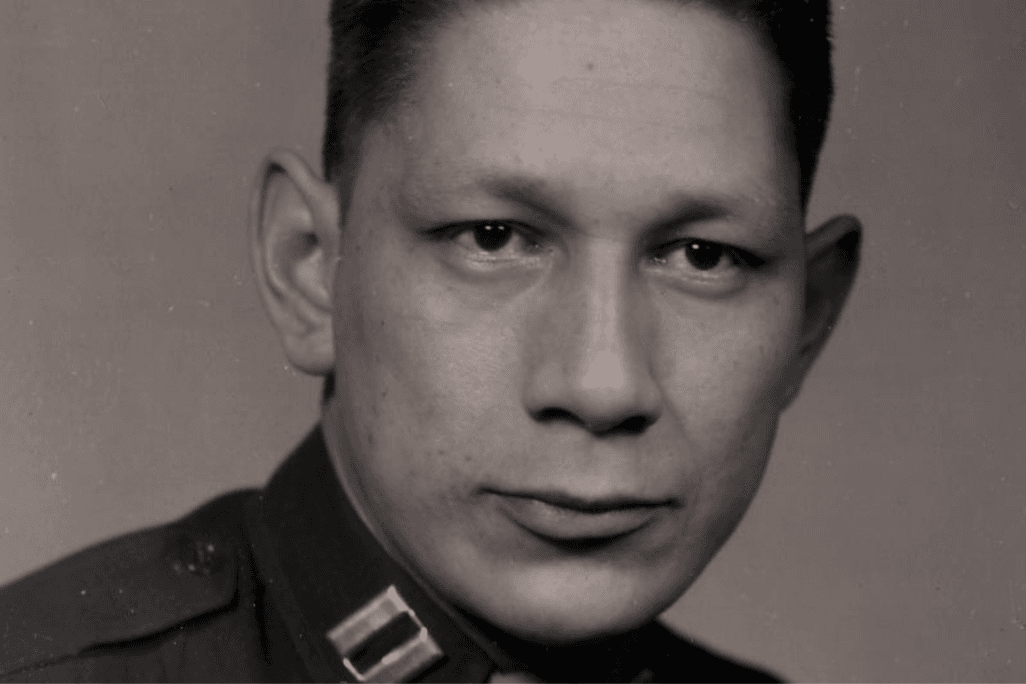
Captain Martin Johns (Turtle Clan) was drafted in 1941 and served in the Army, rising through the ranks after training as a medic and later specializing in armored force officer and tank training. Volunteering for Europe, he landed on Omaha Beach on D-Day plus 40 and served under General Omar Bradley as a motor transport officer, participating in campaigns across France and Germany.
Years later, his quiet demeanor cracked when watching a documentary about the Battle of the Bulge, a battle involving soldiers he had trained and wished to rejoin, highlighting the deep impact of the war on him.
After receiving the European African Middle Eastern Theater Campaign Ribbon, he was discharged and returned to Oneida Limited until his retirement in 1979, passing away in 1993.
Exandine Shenendoah (Wolf Clan)
Exandine Shenandoah (Wolf Clan) enlisted in the Marine Corps in 1941 at age 18 and served as a sergeant (MP, military police) in the Pacific Theater during World War II, seeing action in places like Guam and Guadalcanal.
He rarely spoke of the war, but contracted malaria during his service, an illness that plagued him and eventually led to his death in the 1970s. After his discharge, he returned to the Onondaga Reservation, where he opened a barbershop.
Educator resources
A closer look at Haudenosaunee customs directly from Oneida Indian Nation Members.