Commemorating 250 years of partnership with the United States
As war spread across the new American colonies, the Haudenosaunee Nations sought to remain neutral. But as tensions between the Americans and the British escalated, neutrality quickly became an untenable position for the Oneida people. Breaking with their Haudenosaunee brothers and sister, Chief Shenendoah and the Oneidas chose to side with the American colonists, a decision that proved pivotal and helped secure critical victories that turned the tide of the Revolutionary War. In doing so, a lasting alliance between the Oneida Indian Nation and the United States was forged—one that continues to shape both nations’ shared history and prosperity.
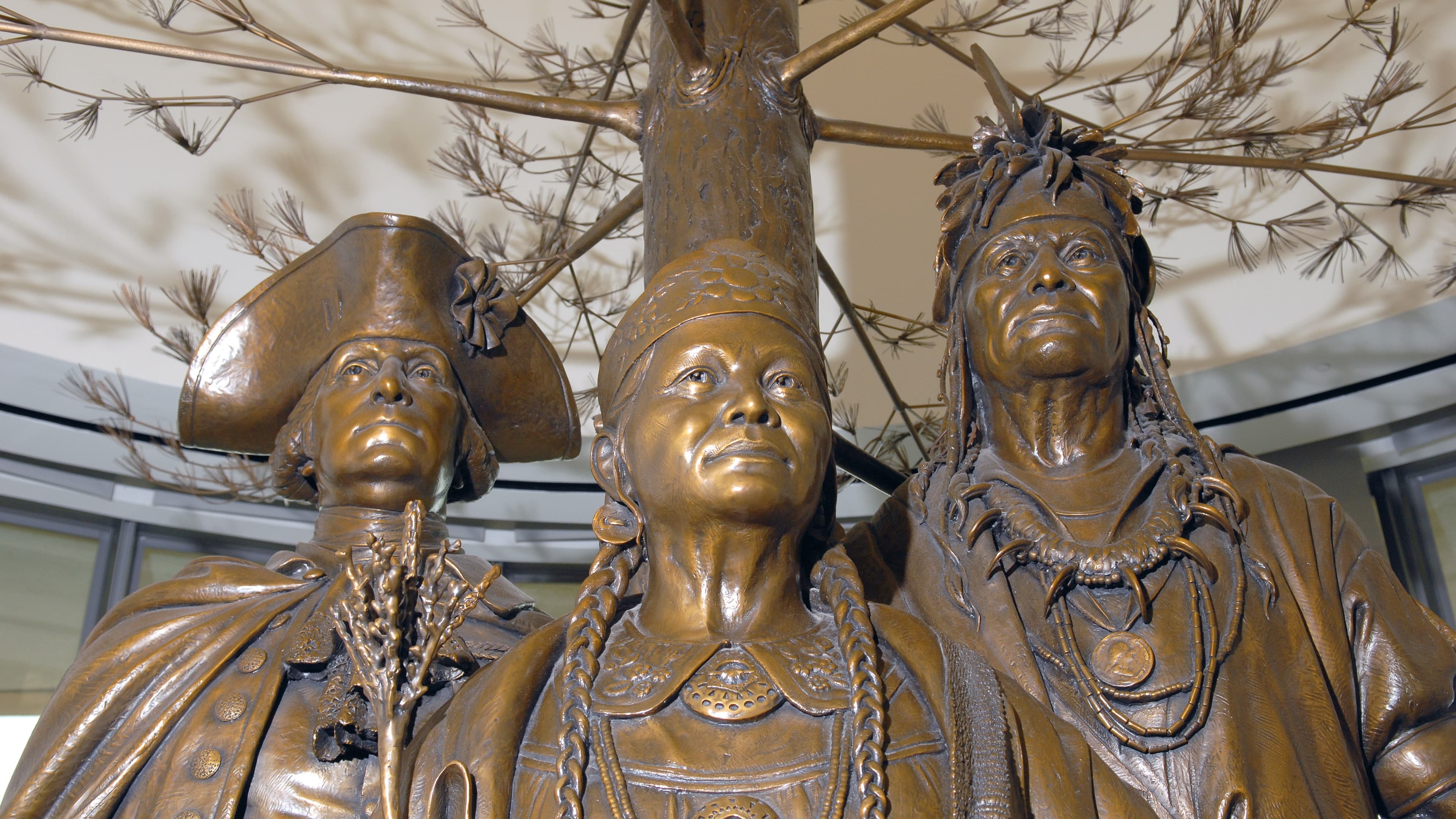
A history of friendship
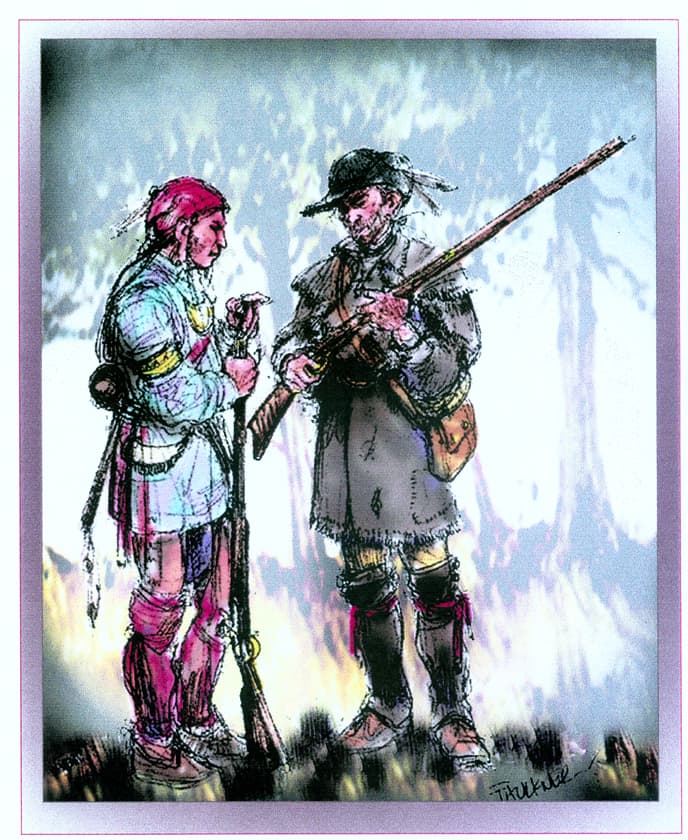
A STEADFAST ALLY THROUGHOUT U.S. HISTORY
From the beginning, the Oneida Indian Nation has stood as one of America’s most steadfast allies in times of war, guided by a commitment to shared liberty and recognized sovereignty.
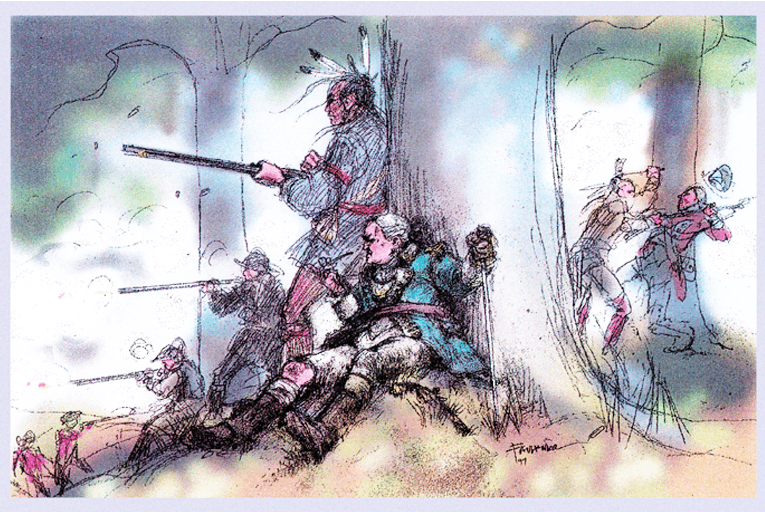
Oneida warriors aided Patriot forces at Oriskany, Saratoga, and Barren Hill during the Revolutionary War, fought alongside U.S. soldiers at the Battle of Big Sandy Creek in the War of 1812, and later declared war on Germany during World War II in solidarity with the United States.
Oneida warriors served as scouts, messengers, and fighters for Patriot forces during the Revolutionary War, providing critical intelligence and battlefield support.
Oneida support at Oriskany helped prevent British-allied forces from isolating the Mohawk Valley and cutting off Patriot supply lines.
America's First Allies
The Oneida Indian Nation’s legacy of supporting the United States dates back to the Revolutionary War.
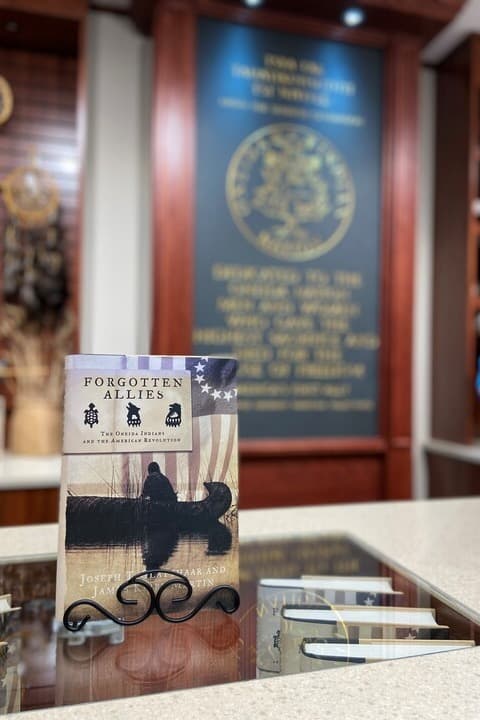
"FORGOTTEN ALLIES" TRACES ONEIDA INVOLVEMENT IN AMERICAN REVOLUTION
When James Kirby Martin, professor of history at the University of Houston and one of the foremost authorities on the American Revolution, began to research the Oneida Indian Nation's contributions to the War for Independence, his imagination was immediately captured by the Oneidas' compelling story.
The historian and his co-author, University of North Carolina-Chapel Hill History Professor Joseph T. Glatthaar, unveiled their book, Forgotten Allies: The Oneida Indians and the American Revolution (Hill & Wang/Farrar, Straus & Giroux, October 2006) at an Oct. 14, 2006 lecture at Mount Vernon, George Washington's estate in northern Virginia.
Forgotten Allies begins with the return of the Marquis de Lafayette to the United States, 50 years after the Revolution, and shows how quickly the Oneidas' involvement in the war had been forgotten. The authors describe how, although he was feted by many of his friends from the war, Lafayette expressed disappointment that he encountered none of his Oneida friends.
Polly Cooper: Revolutionary War hero
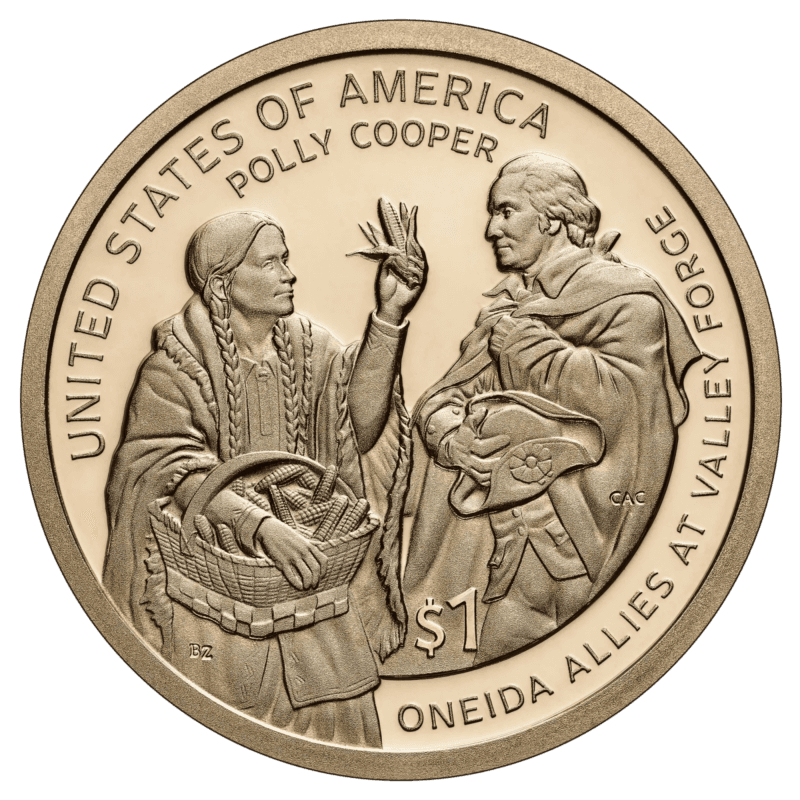
Oneida heroine Polly Cooper traveled with a band of Oneidas from their Upstate New York homelands to bring supplies and food to General George Washington’s starving troops at Valley Forge. The coin has been created as part of a federal program that celebrates the contributions of tribal nations and Native American individuals to the country’s development and growth.
A legacy of friendship and service
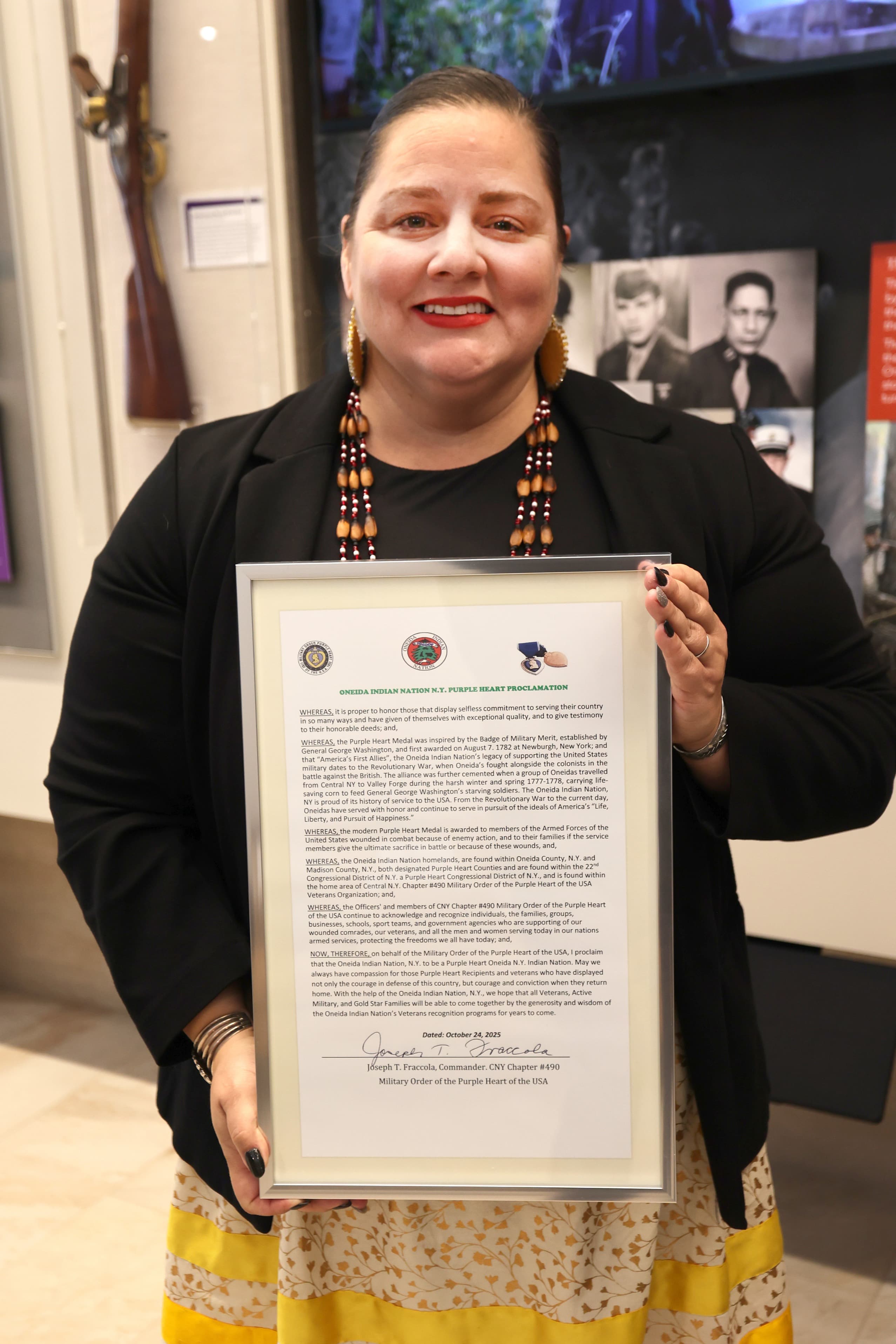
A PURPLE HEART NATION
The Oneida Indian Nation’s relationship with the United States is defined by a deep legacy of friendship and service that began during the American Revolution. That bond was embodied in the alliance between Oneida leader Shenendoah and George Washington, and in the extraordinary humanitarian mission of Polly Cooper, who helped carry, deliver and cook bushels of corn to sustain the starving Continental Army at Valley Forge. From those early sacrifices forward, Oneida men and women have served in every major American armed conflict, continuing a tradition of military service rooted in duty, honor, and mutual defense. In recognition of this enduring commitment and the sacrifices borne by its people, the Oneida Indian Nation has been designated a Purple Heart Nation, honoring generations of veterans and families whose service reflects a centuries-long pledge of friendship and shared responsibility.
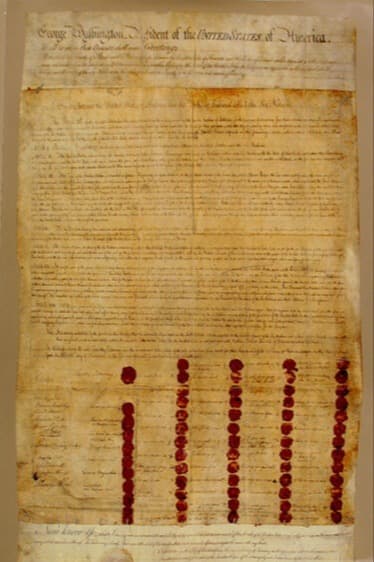
PARTNERS IN PEACE: TREATY OF CANANDAIGUA
For generations, the Oneida Indian Nation has worked alongside its neighbors and the United States as a partner in peace, building a shared future grounded in respect and cooperation. From the promises of the Treaty of
Canandaigua and the guiding vision of the Two Row Wampum to today’s museum and community partnerships, that relationship has helped place our Nations on a lasting path toward prosperity.
Related Stories
Educator resources
A closer look at Haudenosaunee customs directly from Oneida Indian Nation Members.